


Creative direction, grounded in context.
We begin with the people, stories, and places behind a project, then turn that understanding into a physical experience.
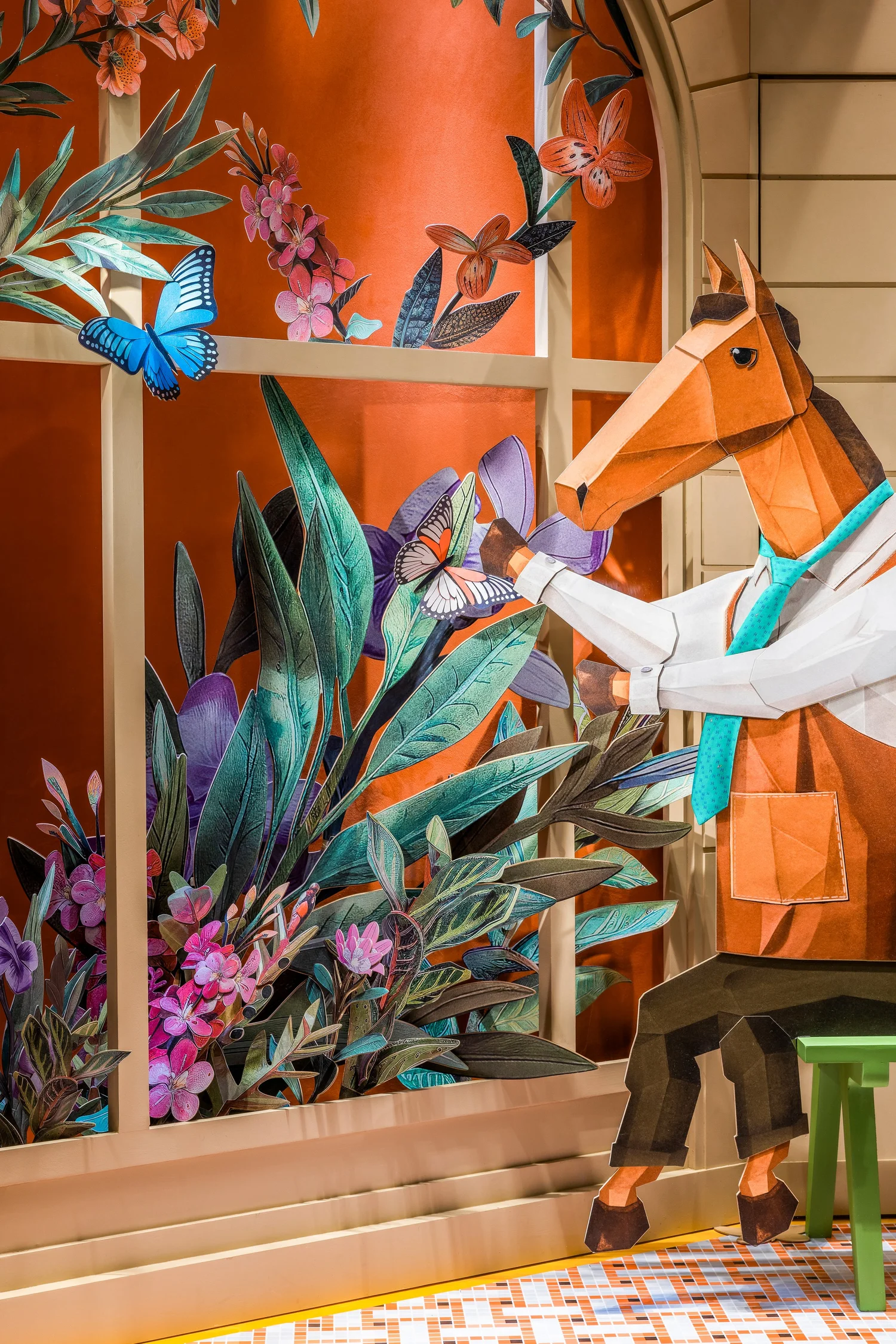
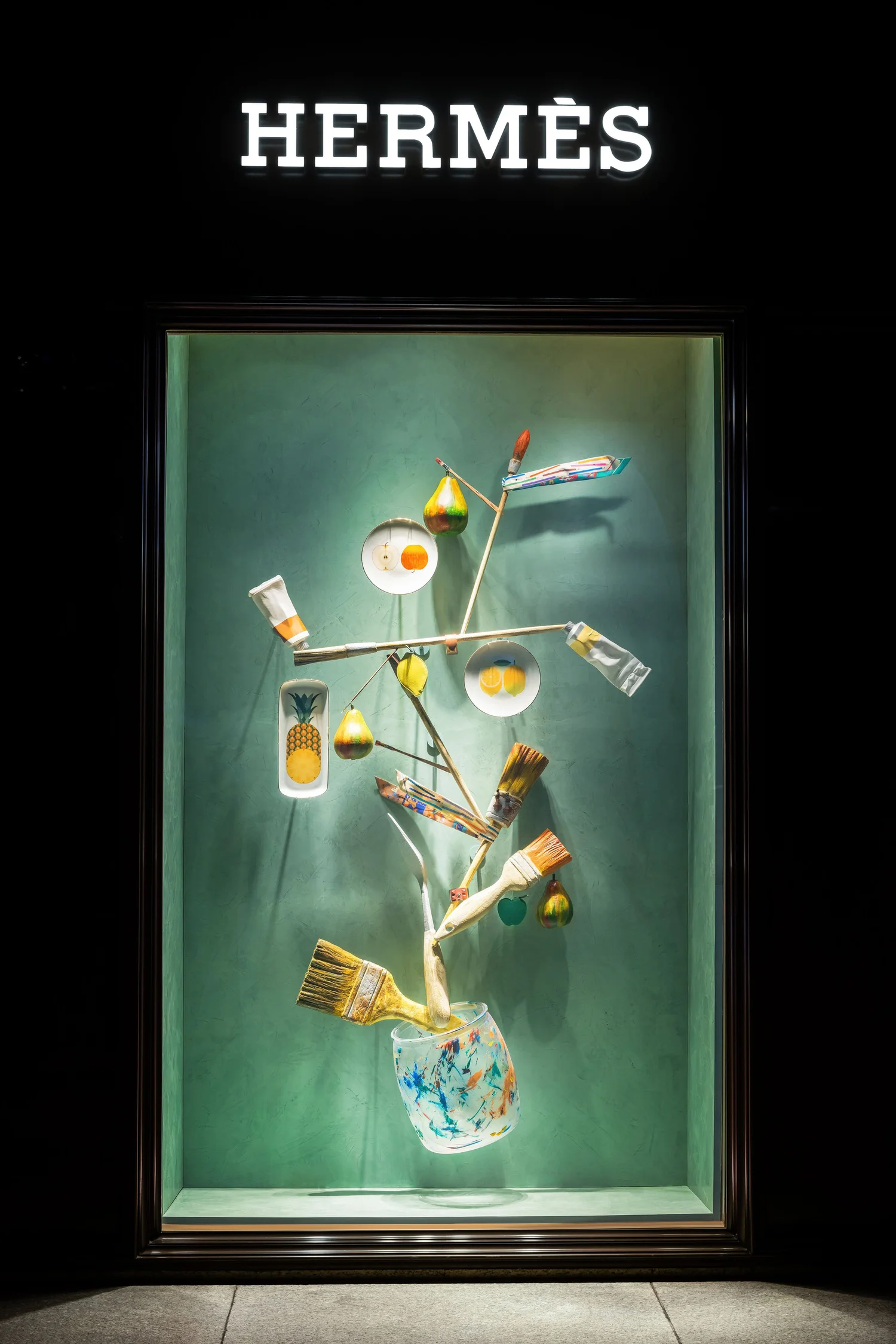
Studio
One practice. Many collaborators.
Founded in 2012, AMCP Studio is an independent creative practice working between Taipei and New York.
We bring clients, artists, curators, and fabrication teams around one clear direction, connecting cultural understanding with the practical demands of making.
- Founded
- 2012
- Studios
- Taipei — New York
- Hermès
- Creative partner to Hermès Taiwan since 2012 · 50+ seasonal installations
- Artists
- 20+ commissioned worldwide
- Practice
- Creative direction, spatial design, window display, exhibitions
Team
A small team with different strengths, working as one.
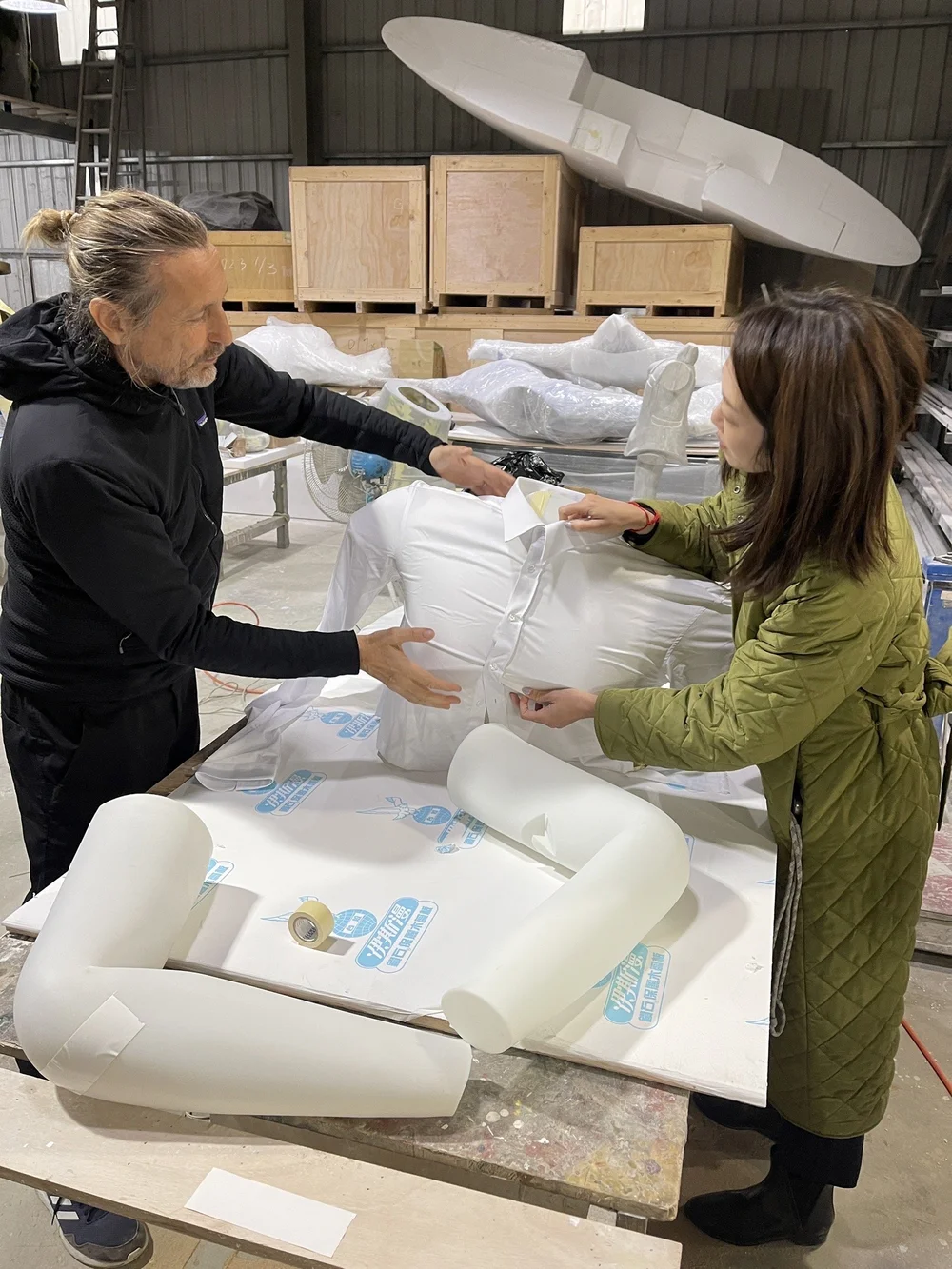
Annie Yu 于安如
Founder & Creative Director
Annie leads AMCP's creative direction between Taipei and New York. Since 2012 she has shaped more than 50 seasonal windows for Hermès Taiwan, and has brought large installations to life from Ai Weiwei Studio in Beijing to the Gardner Museum in Boston. She reads every brief as a story first, then makes it buildable.
Ask her about turning a brief into something people stop for.
- Photo coming soon
Ronnie Mifiv
Senior Designer
Ronnie is the studio's 3D mind. Originally from Ukraine, he turns sketches into precise spatial models and renders, so clients can walk through a window or an exhibition long before anything is built.
Ask him about seeing a space before it exists.
- Photo coming soon
Rina Shin
Sustainability & CMF Director
Rina brings more than 14 years of color, material and finish (CMF) design, including leading CMF design at Motorola, where her teams delivered iF and Red Dot award-winning products. Based in New York, she helps AMCP choose materials that look right, feel right, and leave less behind.
Ask her about the right material, and where it goes after the show.
Methodology
How we collaborate.
A shared direction, sustained from the first conversation to installation.
- 1
Listen to context.
Understand the people, histories, and conditions that give a project its meaning.
- 2
Share a direction.
Make the central idea clear enough for everyone involved to work toward it.
- 3
Think through making.
Use materials, samples, and technical dialogue to test an idea against real conditions.
- 4
Stay involved.
Keep the conversation connected as the work moves from design into fabrication and installation.
Clients & Press
Luxury retail · Cultural institutions · Technology · Public space






- Anna Hu